TAKE THE MATH
less TRAVELED.
We are mathlesstraveled.com — a field guide to beautiful, weird, off-road mathematics. No dry textbooks. Only visual proofs, street-level puzzles, infinite hotels, fractals you can touch, and number theory that reads like travel writing.

Five constants, one postcard from infinity. This is the kind of souvenir we collect.

Not a school. A trailhead for mathematical wandering.
mathlesstraveled.com started with a simple frustration: math is taught as a highway — fast, straight, joyless. We prefer side paths. We hike through proofs with pictures, camp under paradoxes, and map ideas you were told were “too advanced” into stories a 12-year-old and a PhD can enjoy together.

Why “less traveled”?
Because Robert Frost was right, and so was Cantor. The most interesting math lives off the main road: non-Euclidean geometries where parallel lines meet, elections where no fair winner exists, coastlines infinitely long yet enclosing finite area. We go there on purpose.
Every guide we publish follows three rules: 1) No proof without a picture. 2) No concept without a story. 3) No reader left behind. If you can doodle, fold paper, or count on fingers, you already have a passport.

What you’ll find here
- ✦ Proofs you can see: Pythagoras by rearrangement, infinite sums by coloring squares, Euler’s formula by walking on a sphere.
- ✦ Puzzles with teeth: hats and prisoners, bridge crossings at night, 100 doors, Monty Hall remixes — each with multiple solutions.
- ✦ Big ideas, small words: infinity, topology, voting theory, cryptography, chaos — explained with paper, string and cookies.
- ✦ Hands-on labs: fold a Möbius loop, draw a Sierpinski triangle on your wall, measure π with spaghetti.
“Mathematics is not about numbers, equations or algorithms. It is about understanding.” — our compass, taped to the dashboard.
Six paths. Zero prerequisites.
Start anywhere. Each path is a self-contained expedition from “huh?” to “whoa!” in 10–20 minutes per stop.

Coastlines that never end
Hilbert curves, Sierpinski sieves, coastlines, and hotels with no vacancy yet room for all. Bring a sense of vertigo.

Paper, scissors, spheres
Cut, fold and tape your way to Euler, Möbius, donuts vs mugs, and why maps need only four colors.

Primes, secrets, voting
Why primes guard your bank, how to share secrets, and the math that proves perfect elections are impossible.
Postcards from the edge of reason
The Infinite Hotel always has room
Hilbert’s paradox turned into a night-shift story with buses, managers and very tired mathematicians.
Walk in →
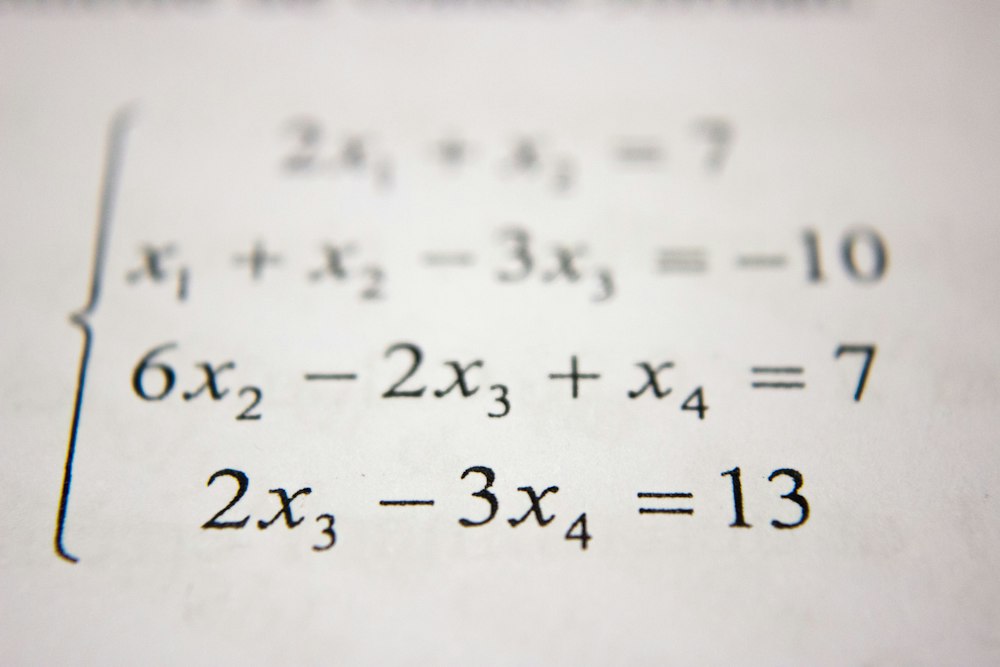
Pythagoras without a single word
Four triangles, two squares, one rearrangement. The 2500-year-old theorem you can see in 30 seconds.
See proof →
Doodle first. Formalize later. Never memorize.
1. Story
Every idea arrives as a human dilemma — prisoners, elections, maps, love letters in code. You care first, calculate second.

2. Picture
We draw everything. Area models for algebra, walks for graphs, colors for infinity. If you can’t sketch it, you don’t own it.
3. Play
Fold it, cut it, bet on it, break it. Each guide ends with a 5-minute lab you can do with kitchen supplies.
Fresh from the trail
Field notes, proofs and puzzles. Click any card to open the full expedition as its own page.
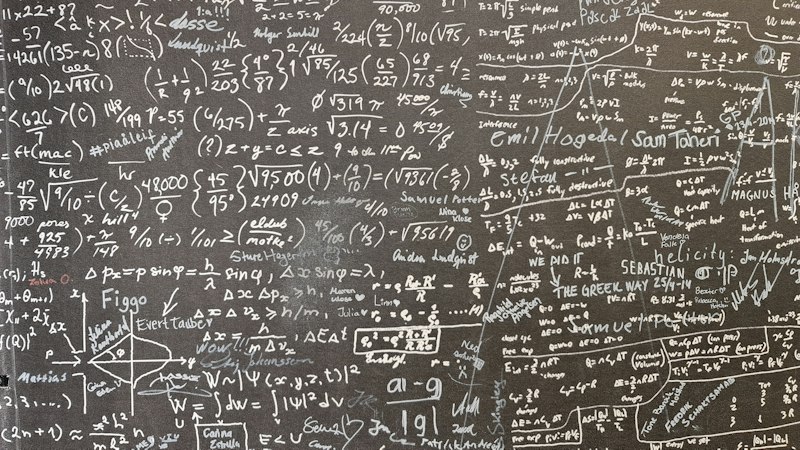
First expeditions are being packed
Our scouts are out mapping paradoxes. Check back in a day for fresh trails.
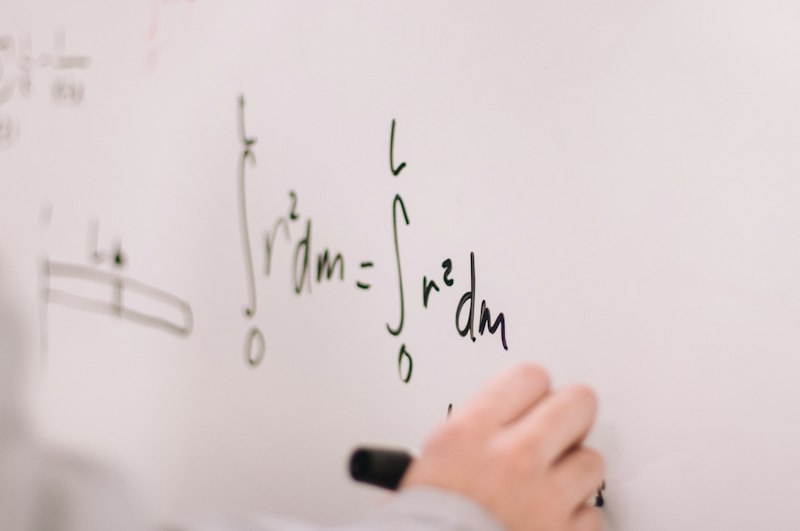
How to read a visual proof in 5 minutes
Look for color, area and movement. If it clicks without words, you got it.
Fold your first Möbius loop tonight
One strip, half twist, tape. Cut it down the middle and try not to gasp.
Questions from fellow wanderers
Short answers. Long trails linked above.

Do I need to be “good at math”?
No. If you can notice patterns, you’re ready. We start every trail at zero and build with pictures. Many readers hated school math and love this one — different terrain.
What age is this for?
10 to 110. Kids love the folding and coloring labs; adults love the paradoxes and philosophy. Teachers use our guides as 15-minute classroom openers.
How is this different from a textbook?
Textbooks pave highways. We mark desire paths: visual, historical, playful. We show three ways to solve each puzzle and why the “wrong” way is often most enlightening.
Can I use this in class or homeschool?
Yes. Print, project, steal. Every dispatch ends with a hands-on lab and discussion prompts. No login, no paywall, just bring paper and curiosity.
Where do I start?
Pick one card in Dispatches that makes you curious, then follow the “keep wandering” links. Or start with About and choose a path.
Get one beautiful idea every Sunday.
Join 12,400+ readers. One puzzle, one visual proof, one thing to fold. Unsubscribe anytime with zero guilt and one parting paradox.
Browse free trails first →